Stability matters, though not the way most founders expect. Four patterns hold up across the research.
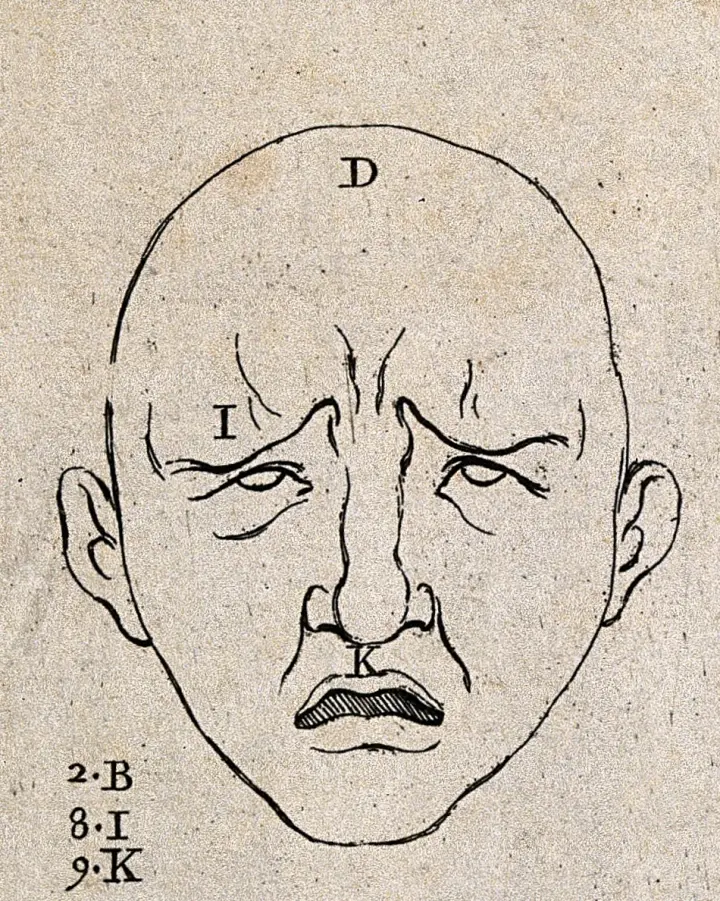
Mouvement composé, a mixed movement of the face
Big swings hurt more than any one bad mood.
Founders whose emotions swung most from day to day reported lower well-being and made slower progress on their venture goals.
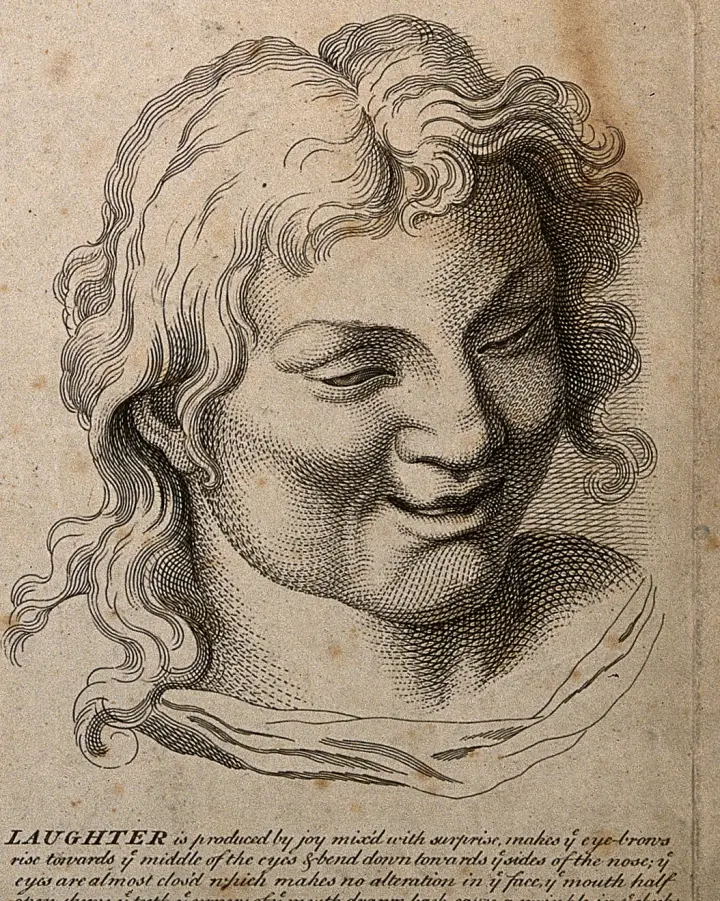
Laughter
Being very up is not the goal.
A positive mood helped innovation and sales growth only up to a point. Past it, performance fell, and the most optimistic founders grew slowest.
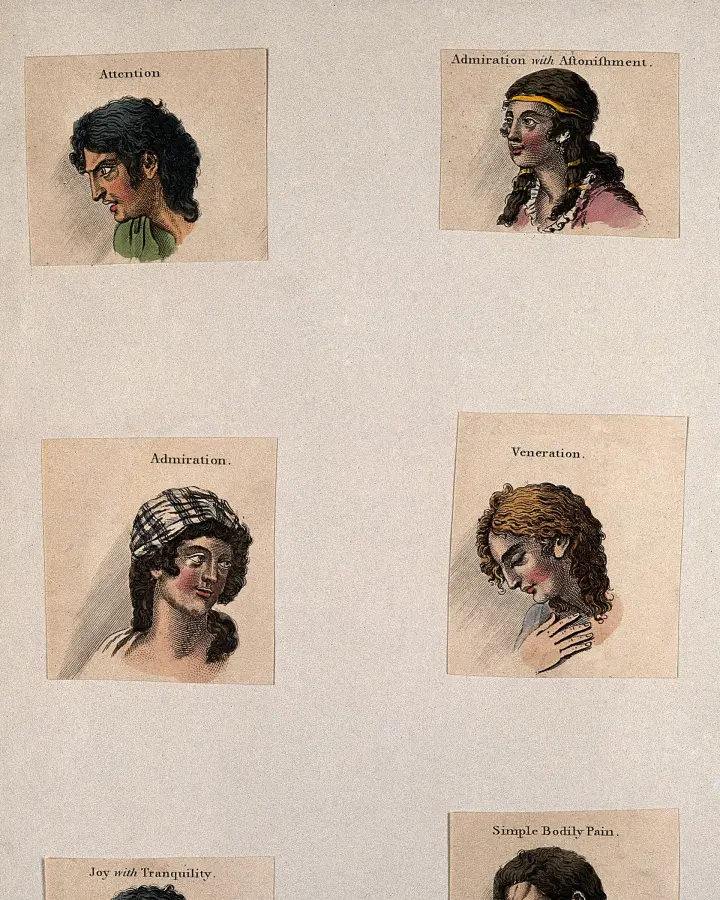
Joy with tranquility
Sleep is the most reliable lever.
In two diary studies of 62 and 121 founders, a better night predicted more creativity and more innovative work the next day.
Attention, desire and hope
Emotional intelligence pays through other people.
Reading and managing other people's emotions predicted venture performance directly. Managing your own helped only through the team.
Pick a feeling
Each one shows what the studies found when founders felt it.
La Tranquilité
Calm
Founders whose moods swung most reported lower well-being and slower progress on venture goals (Uy, Sun and Foo, 2017). On average, entrepreneurs score higher on emotional stability than managers (Zhao and Seibert, 2006).
The counterpoint: in one long study, emotional stability did not predict whether a venture lasted eight years. Conscientiousness did (Ciavarella and colleagues, 2004).
Joy with tranquility
Joy
Good moods pushed founders to put in effort beyond what the day required, on work aimed at the future (Foo, Uy and Baron, 2009).
Only up to a point. Past it, more positive mood went with less innovation and slower sales growth, most of all in small firms (Baron, Tang and Hmieleski, 2011).
Attention, desire and hope
Hope
Highly optimistic founders ran ventures with slower revenue and employment growth (Hmieleski and Baron, 2009).
The drag was strongest for founders who had started ventures before, and in fast-moving industries.
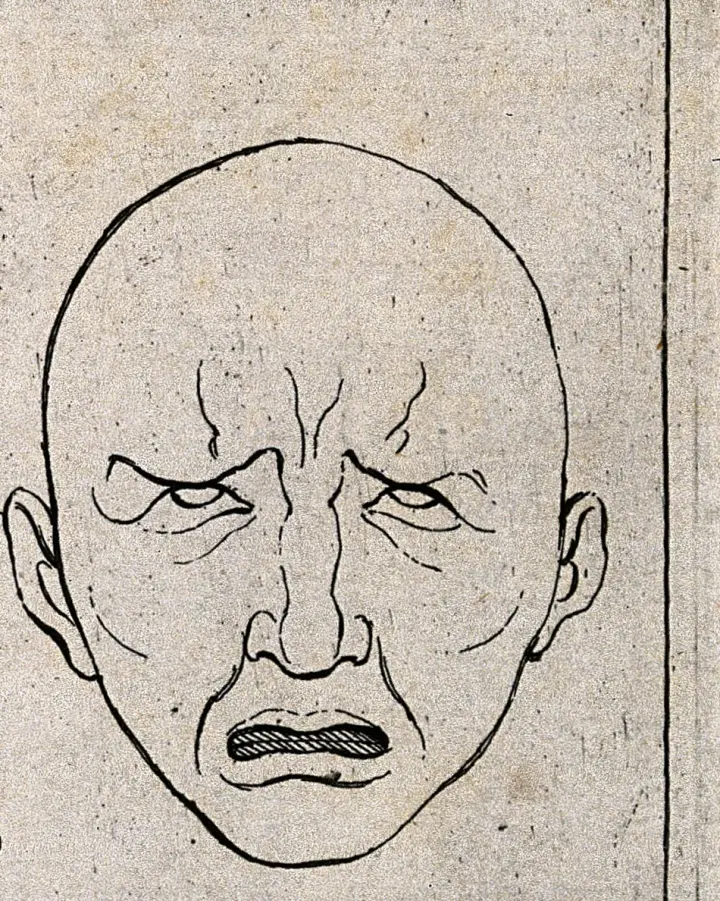
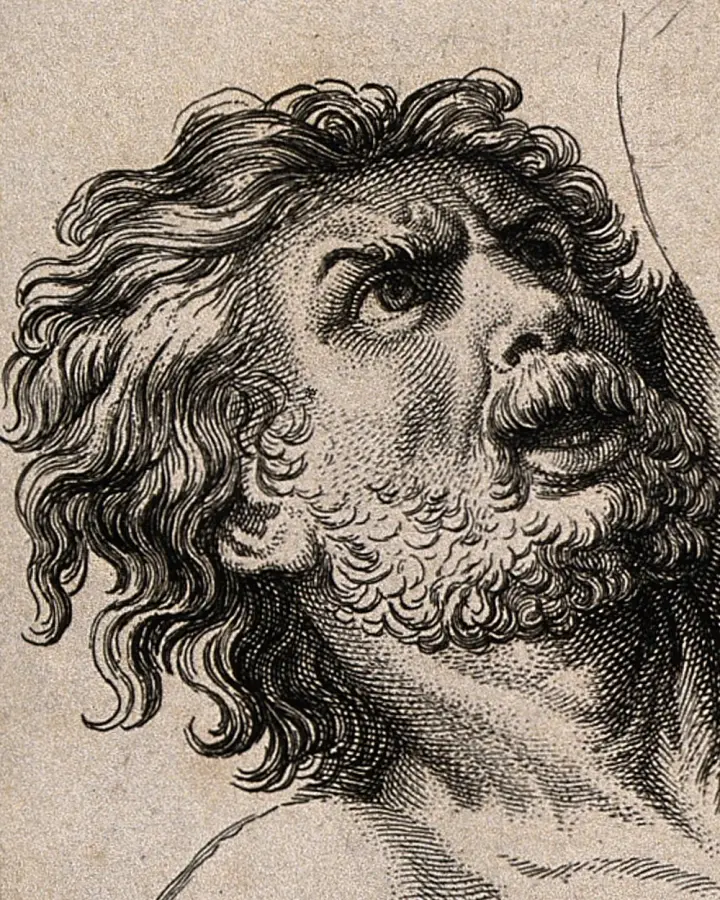
Colère mêlée de crainte, anger mingled with fear
Fear
In an experiment, a short loving-kindness meditation raised entrepreneurs' self-compassion, which went with calmer reactions to fear when they faced venture obstacles (Engel and colleagues, 2021).
Across 2,700 US adults, the self-employed felt fewer negative emotions than employees, but only when they used coping strategies (Patzelt and Shepherd, 2011).
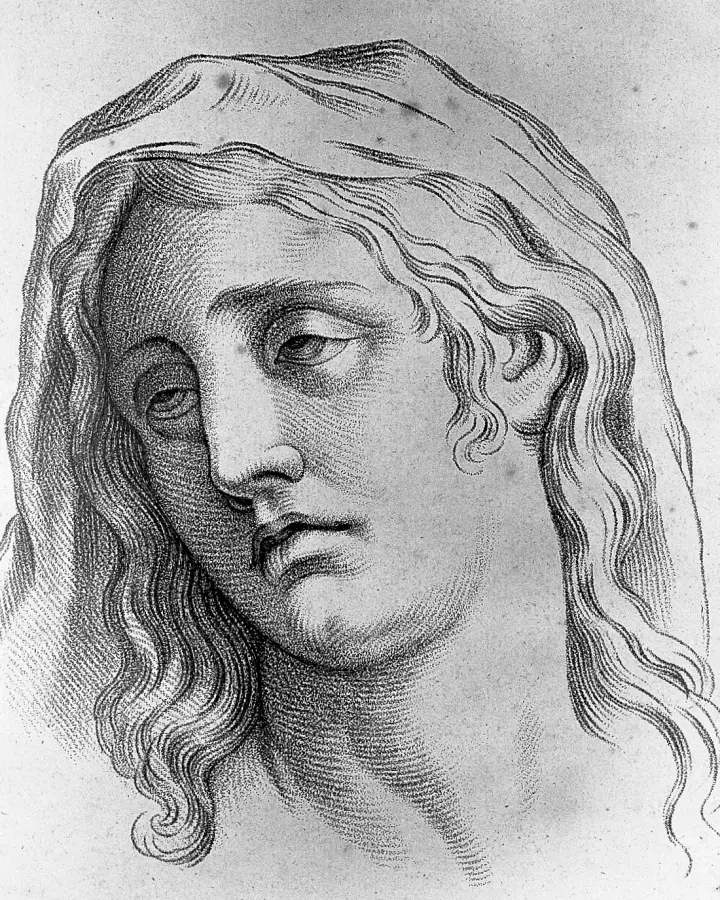
La Tristesse, sadness
Gloom
Bad moods were not wasted. When founders felt low, they put more effort into the tasks that had to be done right away (Foo, Uy and Baron, 2009).
Low moods are common: in a survey of 242 founders, 32% reported two or more mental health conditions (Freeman and colleagues, 2019).
Douleur aiguë, acute pain of body and mind
Strain
Stress raised founders' income and hurt their physical health. A generally positive mood increased the gain and softened the cost (Cardon and Patel, 2015).
Challenge stress such as workload and time pressure raised performance. Hindrance stress such as red tape hurt well-being (Lerman, Munyon and Williams, 2021).
Reading and managing other people's emotions directly predicted venture performance. Managing your own helped only indirectly, through better team processes.
94 studies from 82 countries. Entrepreneurs' well-being is partly higher than employees', depending on the kind measured and the country's rule of law.
Stephan, 2018Academy of Management Perspectives
The standard overview of research on founders' mental health and well-being.
No single founder personality wins. Teams with complementary personalities did better. Traits were inferred from social media.
What this can't tell you
Does this prove calm founders do better?
No. Nearly every study here is correlational. No trial has raised founders' emotional intelligence and then tracked revenue or output.
How big are the samples?
Mostly small. The diary studies followed between 46 and 122 founders. The meta-analyses pool many studies, but those studies measure different things.
What counts as productivity here?
Usually effort, creativity, proactive behaviour or how successful founders feel. Hard numbers like revenue appear in only a few studies, and in one two-year study well-being did not predict profit or turnover.
Is being calm the same as feeling nothing?
No. Bad moods pushed effort on urgent work and good moods pushed effort on future work. What hurt was the swinging, and too much of the high.
Which study should I read first?
Uy, Sun and Foo (2017) on mood swings is closest to the question. For the wide view, start with the 2023 meta-analysis by Stephan, Rauch and Hatak.
How were these findings checked?
Each one was checked against the paper's abstract or its repository record. The full papers sit behind the links, and some are paywalled.